بحران سے تراشا گیا، پائیداری کے لیے بنایا گیا

یہ کہانی اصل میں November 3, 2025 کو @Ethereum X پروفائل پر ایک گیسٹ تھریڈ (نئے ٹیب میں کھلتا ہے) کے طور پر شائع کی گئی تھی۔ اسے پڑھنے میں آسانی کے لیے معمولی طور پر ایڈٹ کیا گیا ہے۔
ایک بحران جس نے ایک نسل کو بدل کر رکھ دیا
Devconnect نومبر میں ارجنٹائن آ رہا ہے (نئے ٹیب میں کھلتا ہے)۔ اس ملک کی کرپٹو کی تاریخ بہت شاندار ہے، اتنی شاندار کہ یہ خود کرپٹو سے بھی پرانی ہے۔
میں سینٹیاگو پلاڈینو (نئے ٹیب میں کھلتا ہے) ہوں، جو ارجنٹائن میں مقیم Aztec (نئے ٹیب میں کھلتا ہے) میں ایک انجینئر ہے—اور یہاں میرا نظریہ ہے کہ کیا چیز اس ملک کو اتنا منفرد بناتی ہے۔
میری نسل کے زیادہ تر لوگوں کے لیے، یہ کہانی ۲۰۰۱ میں شروع ہوتی ہے۔ مالیاتی بحران پھوٹ پڑا۔ حکومت نے لوگوں کی اپنی بچتوں تک رسائی کو محدود کر دیا۔
اس کی وجہ سے ۲۰ سے زیادہ سالوں تک کرنسی کنٹرولز کا سلسلہ چلتا رہا، جس کے بعد سالانہ افراط زر تین ہندسوں تک پہنچ گیا۔
"وہ بیج جو [ارجنٹائن کے لوگوں] کو ایسے پیسے کی تلاش میں لے جائے گا جو حکومتی کنٹرول یا فضول خرچی سے محفوظ ہو، December 2001 میں بویا گیا تھا۔ [...] یہ پیر، December 3 کا دن تھا، اور ارجنٹائن کی حکومت نے ویک اینڈ پر ایک حکم نامہ شائع کیا تھا جس میں بچت کرنے والوں کو فی ہفتہ $250 یا ۲۵۰ پیسو سے زیادہ نکالنے سے منع کیا گیا تھا، اور زیادہ تر بین الاقوامی رقم کی منتقلی پر پابندی لگا دی گئی تھی۔ بنیادی طور پر، اس کا مطلب یہ تھا کہ لوگوں کی بچتیں قومی بینکاری نظام میں پھنس گئی تھیں۔ یہ معیشت سے سیالیت کو بھی نچوڑ لے گا، تجارت کو مفلوج کر دے گا اور غیر رسمی شعبے میں کام کرنے والوں، یا کام کرنے والی تقریباً نصف آبادی کو بغیر کسی کمائی کے چھوڑ دے گا۔ [...]
December 20 کو، صدر نے استعفیٰ دے دیا۔ [...] فوری متبادل صرف ایک ہفتہ چلا، اور اس کے بعد آنے والے ایڈورڈو ڈوہالڈے نے پیسو کو ڈالر کے ساتھ منسلک کرنے کا عمل روک دیا اور فی ڈالر ۱.۴ پیسو پر ایک نیا سرکاری شرح مبادلہ قائم کیا، جس سے کرنسی کی قدر میں ۴۰ فیصد کمی واقع ہوئی۔ تمام ڈالر کے ذخائر کو سرکاری شرح مبادلہ پر پیسو میں تبدیل کر دیا گیا، جس سے بچتوں میں مؤثر طریقے سے کٹوتی ہوئی۔ لوگ اب بھی اپنا پیسہ نہیں نکال سکتے تھے۔"
— کیملا روسو کی کتاب The Infinite Machine سے
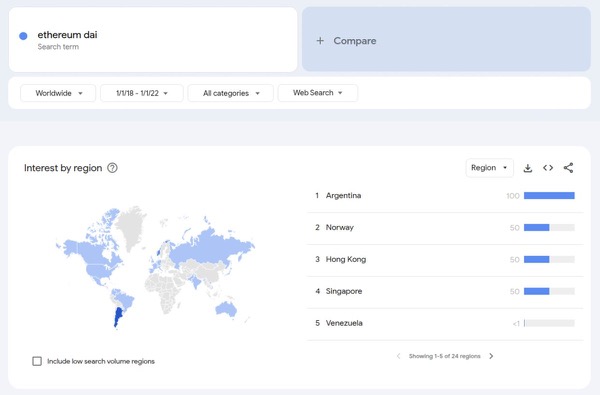
سٹیبل کوائنز وسیع تر مالیاتی نظام تک رسائی حاصل کرنے، اور مسلسل گرتی ہوئی پیسو کی قدر کے خلاف قدر کے ذخیرے کے طور پر کام کرنے کا ایک طریقہ بن گئے۔
اب، ارجنٹائن کے لوگ ڈالرز کے عادی ہو چکے ہیں۔
لیکن جب وہ انہیں حاصل نہیں کر سکے، تو انہوں نے ہر اس چیز کی تلاش کی جو ان سے ملتی جلتی ہو۔
کو ورکنگ اسپیس سے کرپٹو فرنٹیئر تک
میرا اپنا سفر ۲۰۱۷ میں ٹیکنالوجی کے ساتھ شروع ہوا۔ میں نے اتفاقاً کو ورکنگ کے لیے والٹیئر ہاؤس کا دورہ کیا، اور اتفاق سے مینوئل اراؤز (نئے ٹیب میں کھلتا ہے) کے پاس بیٹھ گیا۔
"تم کیا کرتے ہو؟"
"میں سمارٹ کنٹریکٹ بناتا ہوں"
"تم کیا کرتے ہو!؟"
میں اس کا قائل ہو گیا۔
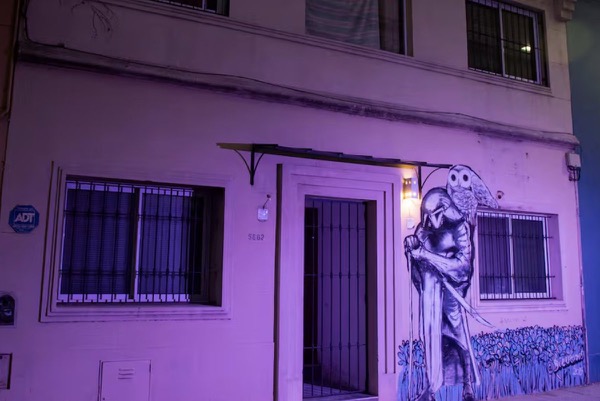
کاسا والٹیئر - ماخذ (نئے ٹیب میں کھلتا ہے)۔
والٹیئر بہت سے کرپٹو پروجیکٹس کے لیے ایک نرسری ثابت ہوا، جیسے کہ اوپن زیپلن (نئے ٹیب میں کھلتا ہے)، Decentraland (نئے ٹیب میں کھلتا ہے)، Muun (نئے ٹیب میں کھلتا ہے)، اور Nomic Foundation (نئے ٹیب میں کھلتا ہے)۔
لیکن یہ ارجنٹائن میں پیدا ہونے اور پروان چڑھنے والے بہت سے پروجیکٹس میں سے صرف چند ایک تھے۔
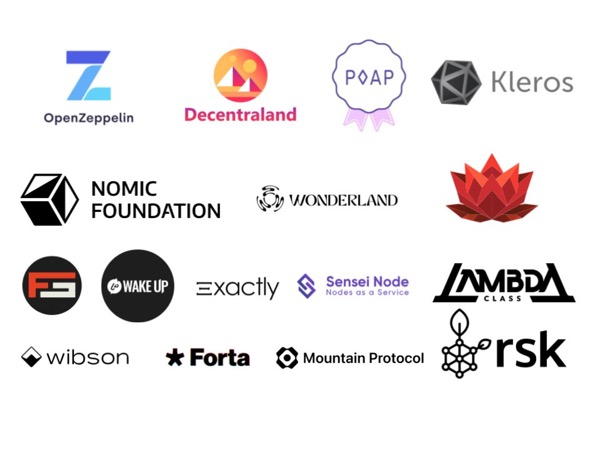
اور صرف پروجیکٹس ہی نہیں۔
ارجنٹائن کے بلڈرز پورے Web3 میں پائے جا سکتے ہیں۔ اگر آپ کسی کرپٹو کمپنی میں کام کرتے ہیں، تو اس بات کا قوی امکان ہے کہ ہم میں سے کوئی آپ کی ٹیم میں شامل ہو۔
ہم صرف کرپٹو استعمال نہیں کرتے—ہم اسے بناتے ہیں۔
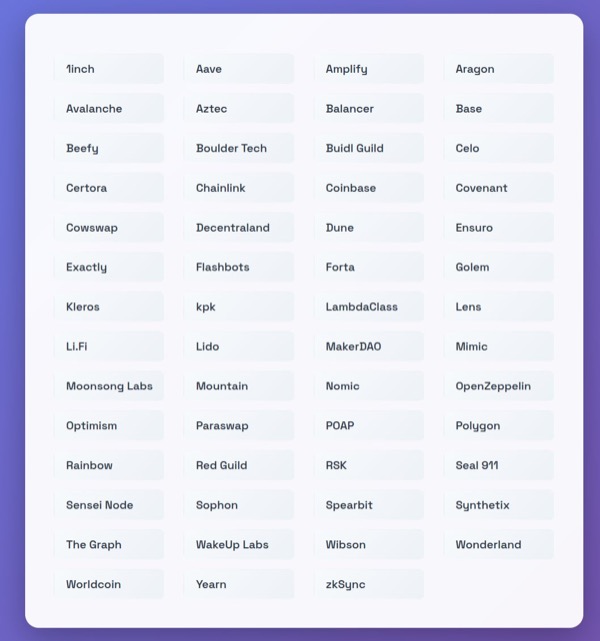
کیا آپ جانتے ہیں کہ جب کل ڈیولپرز کے تناسب سے دیکھا جائے تو ارجنٹائن میں امریکہ کے مقابلے میں 2.8x زیادہ فعال Web3 بلڈرز ہیں؟
اور یہ صرف وہ ہیں جو خود اپنی لوکیشن بتاتے ہیں۔
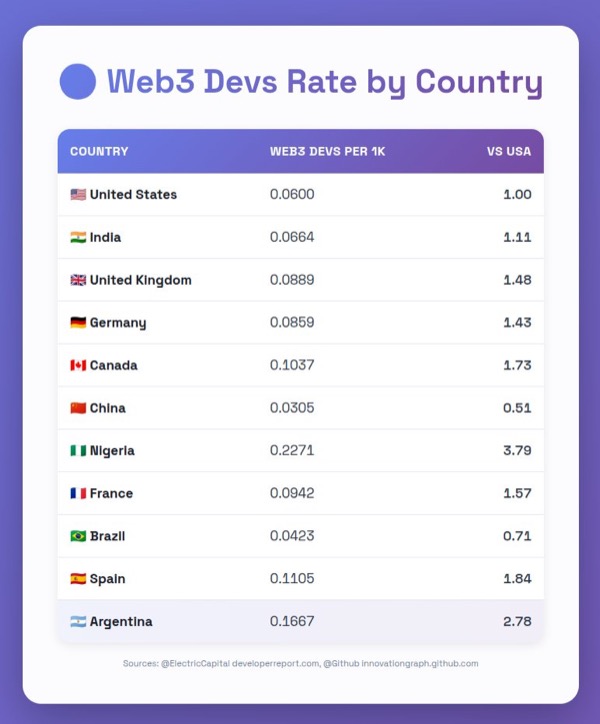
ماخذ: Electric Capital Developer Report (نئے ٹیب میں کھلتا ہے)، GitHub Innovation Graph (نئے ٹیب میں کھلتا ہے)۔
ارجنٹائن میں طے کیے گئے سنگ میل
اس میں کوئی حیرت کی بات نہیں کہ اس کی وجہ سے ایتھیریم کی تاریخ کے بہت سے اہم ایونٹس یہیں سے رونما ہوئے۔
بہت کم لوگ جانتے ہیں کہ ایک سمارٹ کنٹریکٹ زبان، جو Vyper کی پیشرو تھی، کو ارجنٹائن کے ایک گھر سے ہونے والے آڈٹ کی بنیاد پر گردش سے نکال لیا گیا تھا۔
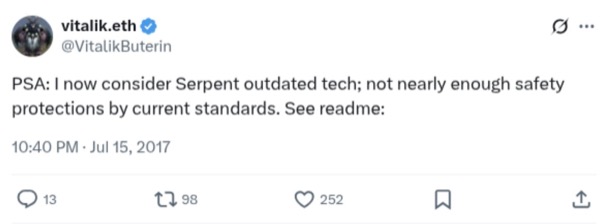
یا یہ کہ ERC-721 کا نفاذ (نئے ٹیب میں کھلتا ہے) جس نے ۲۰۲۱ کے NFT کے جنون کو ممکن بنایا، وہ تین سال پہلے یہیں لکھا گیا تھا۔
یا یہ کہ میکر ڈاؤ (نئے ٹیب میں کھلتا ہے) SAI اور ملٹی-ضمانت DAI کی تعیناتی یہیں سے ہوئی، بالکل Balancer (نئے ٹیب میں کھلتا ہے) اور Aragon (نئے ٹیب میں کھلتا ہے) کی طرح۔
ایتھیریم کو گھر لانا
ہم ارجنٹائن کے لوگ اپنے ملک اور اپنی ثقافت کے بارے میں پرجوش ہیں۔ اور ہم چاہتے ہیں کہ دوسرے بھی اس کا تجربہ کریں۔
اتنا زیادہ کہ ہم ۵ سال سے زیادہ عرصے سے Devcon(nect) کو یہاں لانے کی کوشش کر رہے تھے۔
(ہاں، نیچے دی گئی ٹی شرٹس پر "Devcon BA 2020" لکھا ہے)
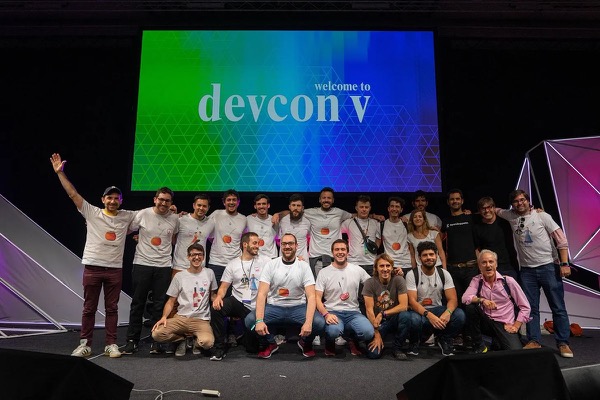
میرے اور بہت سے دوسرے بلڈرز کے لیے یہاں Devconnect کا ہونا ایک خواب کے سچ ہونے جیسا ہے۔
نہ صرف اس لیے کہ یہ لامرکزیت کے تئیں ایتھیریم کی کمٹمنٹ کو ظاہر کرتا ہے، بلکہ اس لیے بھی کہ ہم دنیا کو دکھا سکتے ہیں کہ ہم کس چیز سے بنے ہیں۔
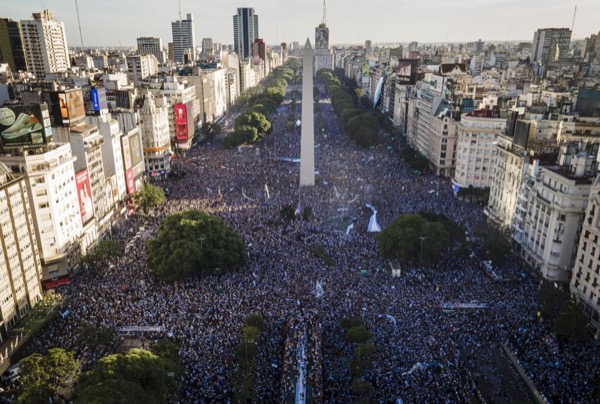
یہاں ہم بڑے پیمانے پر اپنانے کے لیے ایک اسپرنگ بورڈ بنا سکتے ہیں، اور کرپٹو کو قدر کے ذخیرے، افراط زر کے خلاف ہیج، یا ادائیگیاں وصول کرنے کے ذرائع سے کہیں زیادہ بنا سکتے ہیں۔
ہم لامحدود باغ (Infinite Garden) کے وعدے کو پورا کر سکتے ہیں۔ ایتھیریم کو انسانی ہم آہنگی کے لیے ایک پروٹوکول میں بدل سکتے ہیں۔
یہاں، ارجنٹائن سے شروع کرتے ہوئے۔
"ایک محدود کھیل جیتنے کے مقصد سے کھیلا جاتا ہے۔ ایک لامحدود کھیل کھیل کو جاری رکھنے کے مقصد سے کھیلا جاتا ہے۔"
~ جیمز پی کارس
ایتھیریم کے لیے ہمارا وژن لامحدود باغ (Infinite Garden) ہے۔ ایتھیریم ایک ٹیکنالوجی سے بڑھ کر ہے، یہ افراد اور تنظیموں کا ایک متنوع ایکو سسٹم ہے جو ایک پروٹوکول کے ساتھ مل کر تعمیر اور ترقی کرتے ہیں۔ ایتھیریم ایکو سسٹم کوئی ایسی چیز نہیں تھی جسے کسی ایک فرد یا تنظیم نے ڈیزائن کیا ہو، بلکہ یہ ان لوگوں کے تعاون سے باقاعدہ طور پر تیار ہوا جو ایکو سسٹم کو مزید متحرک اور متنوع بننے کے لیے پروان چڑھاتے ہیں۔
ایتھیریم انسانی ہم آہنگی کے لیے ایک پروٹوکول ہے۔ ہم آہنگی ایک کھیل ہے، لیکن ایسا نہیں جو جیتنے کے لیے کھیلا جائے۔ ہم آہنگی ایک باغ کی دیکھ بھال کرنے کی طرح ہے، جہاں کوئی صرف اس لیے کام کرتا ہے تاکہ باغ پھلتا پھولتا رہے۔
لامحدود باغ (Infinite Garden) ایک وسیع ایکو سسٹم میں ایک باغبان کے طور پر ایتھیریم فاؤنڈیشن کے جذبے کا مجسمہ ہے — پرورش کریں اور بڑھائیں، لیکن کنٹرول نہ کریں، اور کھیلنا جاری رکھیں۔
