Tuyên bố độc lập khỏi chế độ phong kiến kỹ thuật số
Câu chuyện này ban đầu được xuất bản dưới dạng một luồng bài viết khách mời trên hồ sơ X của @Ethereum (mở trong tab mới) vào ngày 5 tháng 2 năm 2026. Bài viết đã được chỉnh sửa đôi chút để dễ đọc hơn.
Những vị khách trong chính thế giới của chúng ta
Chúng ta dành nhiều thời gian thức trong không gian kỹ thuật số hơn là không gian vật lý. Trong những không gian đó, chúng ta là khách, không phải là chủ sở hữu.
Chúng ta xây dựng danh tính trên những tài khoản mà chúng ta không kiểm soát. Chúng ta tạo ra giá trị chảy vào túi một vài địa chủ kỹ thuật số.
Chúng ta có các công cụ để giành lại điều đó.
Các công ty sở hữu danh tính, tiến trình và kỷ niệm của bạn.
Chế độ phong kiến kỹ thuật số: bạn tạo ra nội dung, xây dựng cộng đồng, tạo ra dữ liệu. Họ sở hữu nền tảng, đặt ra luật chơi, giữ lại lợi nhuận.
Điều khoản của họ thay đổi. Công sức của bạn biến mất.
Không ở đâu chế độ phong kiến kỹ thuật số lại rõ ràng hơn trong lĩnh vực game.
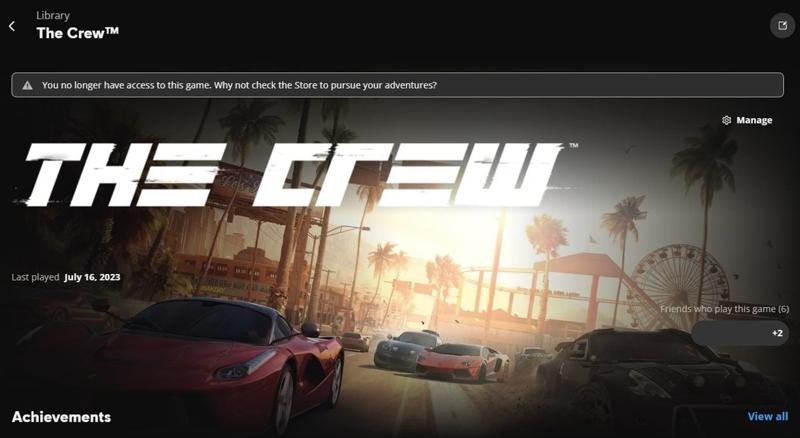
Khi nhà phát hành game Ubisoft đóng cửa The Crew, họ cũng thu hồi giấy phép trị giá 60 đô la của mọi người mua.
Phong trào 'Stop Killing Games' (Ngừng giết chết các trò chơi) (mở trong tab mới) tồn tại vì người chơi đã chịu đựng quá đủ.
Đó là một phần trong câu chuyện nguồn gốc huyền thoại của Ethereum.
Khi Blizzard giảm sức mạnh nhân vật World of Warcraft của Vitalik Buterin (nhà đồng sáng lập Ethereum), anh đã nhận ra mối nguy hiểm: sự kiểm soát tập trung có nghĩa là mọi thứ bạn xây dựng đều có thể bị phá hủy chỉ vì một ý thích bất chợt.
Ngay cả khi các trò chơi tồn tại, mọi thứ bạn xây dựng đều gặp rủi ro.
Người chơi Counter-Strike đã tạo ra một nền kinh tế skin vũ khí kỹ thuật số trị giá 6 tỷ đô la: nhiều năm thi đấu, giao dịch và cống hiến.
Valve đã thay đổi các quy tắc giao dịch chỉ sau một đêm. Một nửa giá trị đã bốc hơi.
Lịch sử của bạn. Ý thích của họ.
Khi trò chơi Star Wars Galaxies đóng cửa, hàng ngàn người đã đăng nhập để chứng kiến 14 năm của các cộng đồng, các mối quan hệ và những câu chuyện chết đi.
Họ đốt pháo hoa và nói lời tạm biệt. Đó là một đám tang cho một thế giới mà họ đã xây dựng và yêu thương nhưng chưa bao giờ sở hữu.
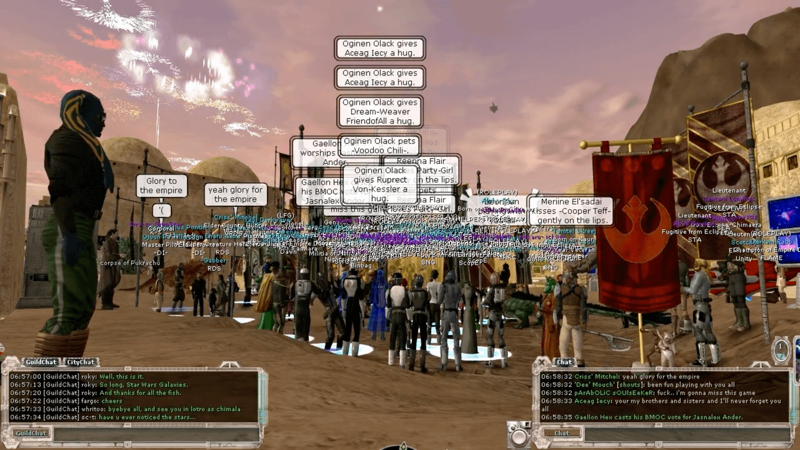
Điều gì xảy ra khi người chơi kiểm soát thế giới của họ
Vậy điều gì sẽ xảy ra khi người chơi kiểm soát thế giới game của họ?
Đó là sự kết thúc của chế độ phong kiến kỹ thuật số và là sự khởi đầu của một khế ước xã hội mới.
Một Tuyên ngôn Nhân quyền kỹ thuật số.
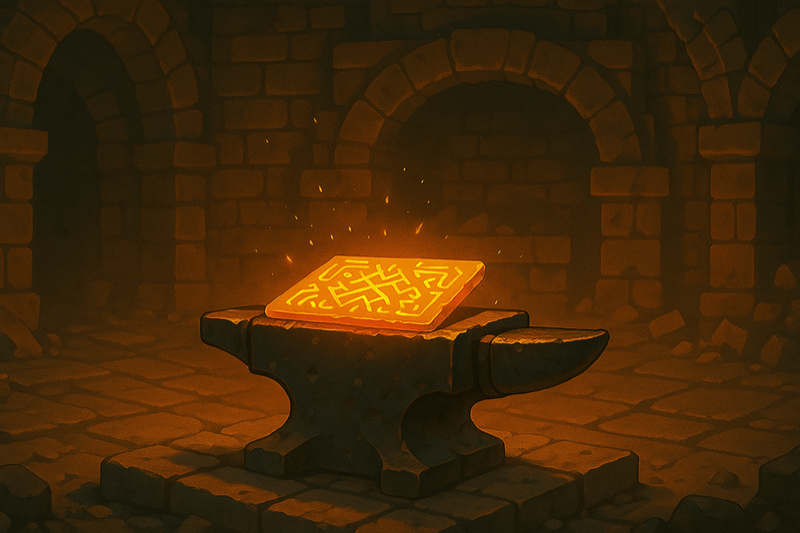
Tinh thần của chơi game trên chuỗi là tinh thần của mã nguồn mở.
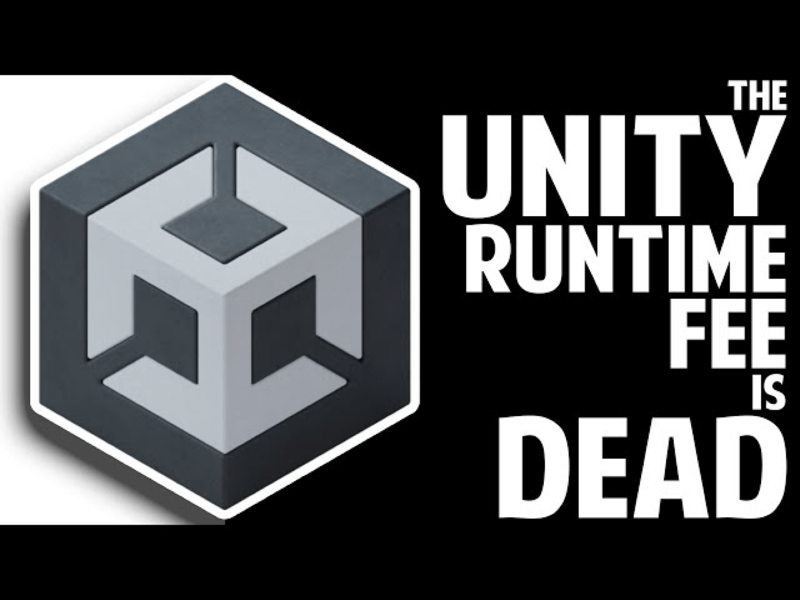
Khi Unity phản bội các nhà phát triển game bằng Phí Runtime, Godot Engine (mở trong tab mới) đã đưa ra một giải pháp thay thế.
Giờ đây, các engine trên chuỗi như Dojo (mở trong tab mới) cung cấp cho các studio game một giải pháp thay thế cho việc phát hành game trên các máy chủ tập trung.
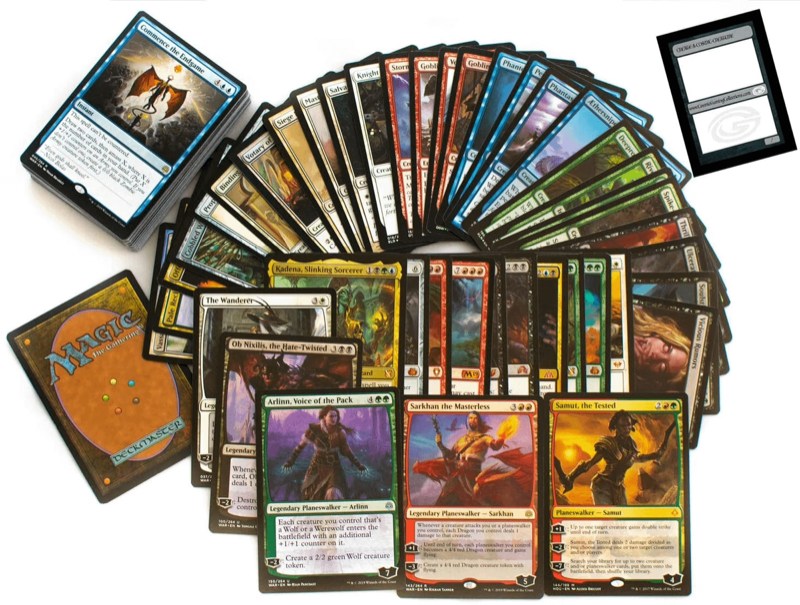
Richard Garfield đã tạo ra thương hiệu tỷ đô đầu tiên của Hasbro, Magic: The Gathering.
Giờ đây, ông đang xây dựng các trò chơi trên chuỗi để người chơi có thể "tiếp tục chơi những trò chơi này ngay cả sau khi chúng tôi ngừng hỗ trợ chính thức."
Mọi thứ bắt đầu với dự án Loot (mở trong tab mới) của Dom Hofmann (mở trong tab mới).
8.000 danh sách trang bị giả tưởng đặt ra câu hỏi: "Điều gì sẽ xảy ra nếu chúng ta xây dựng một tài sản trí tuệ (IP) không thuộc về ai?"
- Các DAO của người chơi như Realms.World (mở trong tab mới) đã trở thành những người quản lý.
- Những nhà xây dựng như Cartridge (mở trong tab mới) đã biến nó thành hiện thực.
- Các engine như Dojo (mở trong tab mới) làm cho các thế giới trở nên mở theo mặc định.
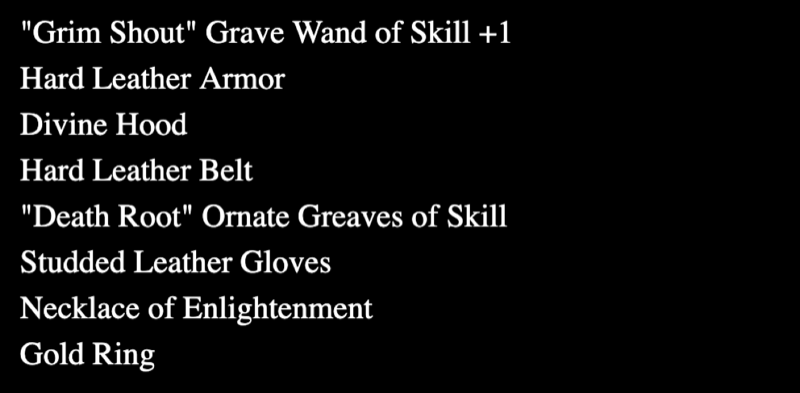
Nếu bạn muốn biết cảm giác thoát khỏi chế độ phong kiến kỹ thuật số là như thế nào, đừng chỉ nghe lời tôi.
Hãy chơi thử Loot Survivor (mở trong tab mới).
Tương lai mà tôi đang nói đến? Nó đang diễn ra.
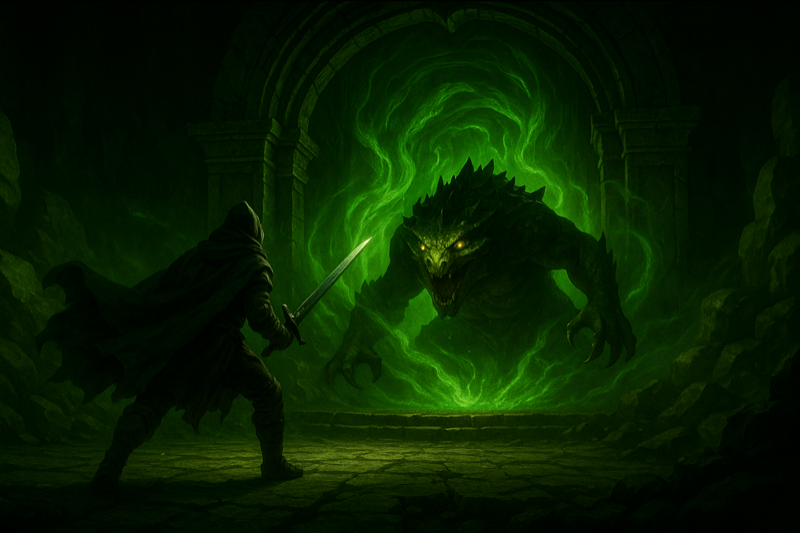
Làm cho tiền mã hóa biến mất
“Nhưng tiền mã hóa thì cồng kềnh, chậm chạp và khó sử dụng.”
Trong nhiều năm, đó là rào cản tưởng chừng không thể vượt qua của ngành chúng ta, một giới hạn mà mọi người đều chấp nhận như là cái giá của sự phi tập trung.
Người chơi phải xoay sở với ví, phí Gas, cụm từ hạt giống, và những chữ ký liên tục.
Sự cản trở chính là cái giá phải trả để tham gia.
Các công cụ như Cartridge Controller (mở trong tab mới) thay đổi toàn bộ trải nghiệm.
- Đăng nhập qua mạng xã hội.
- Phiên hoạt động chỉ cần một chữ ký.
- Phí Gas mà người chơi không bao giờ nhìn thấy.
Khi tiền mã hóa lùi về phía sau hậu trường, các trò chơi trở nên thú vị.
Một thế giới không thể bị tước đoạt
Hãy tưởng tượng một trò chơi cạnh tranh nơi tổng giải thưởng được khóa trong một hợp đồng thông minh. Người chiến thắng là người chiến thắng.
Nhà phát triển không thể thay đổi luật chơi giữa mùa giải hoặc từ chối trả thưởng.
"Mã là Luật" như một tính năng.
DOTA từng là một bản mod do cộng đồng tạo ra bên trong Warcraft III. Nó đã tạo ra một thể loại tỷ đô (MOBA).
Những người sáng tạo ban đầu của Warcraft III (Blizzard) hầu như không nhận được chút giá trị nào từ đó.
Trên chuỗi, cộng đồng có thể xây dựng dựa trên trò chơi, mở rộng thế giới và sở hữu những sáng tạo của họ.
Khi Thư viện Alexandria bốc cháy, những văn bản độc nhất đã biến mất vĩnh viễn. Tất cả kiến thức nhân loại đó, nằm ở một nơi dễ bị tổn thương.
Khi các máy chủ game đóng cửa, những thế giới và văn hóa độc đáo cũng tan thành mây khói.
Ngọn lửa là điều không thể tránh khỏi. Sự tập trung hóa là một sự lựa chọn.
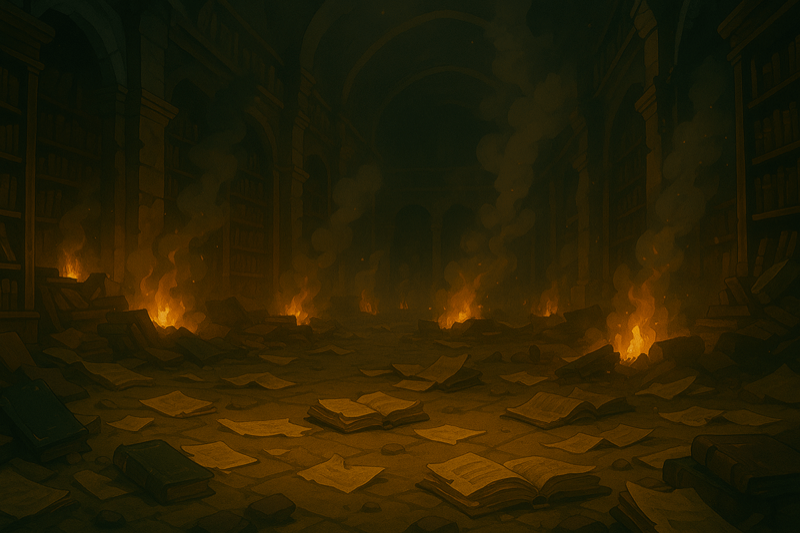
Xây dựng các trò chơi trên chuỗi không phải là xây dựng một kho tiền an toàn hơn cho thế giới của bạn.
Đó là việc trao cho chúng một cỗ máy in: sức mạnh để tồn tại ở mọi nơi cùng một lúc.
Được sao chép, mở rộng, xây dựng lại, bảo tồn, chứ không bị khóa kín sau một cánh cửa duy nhất.
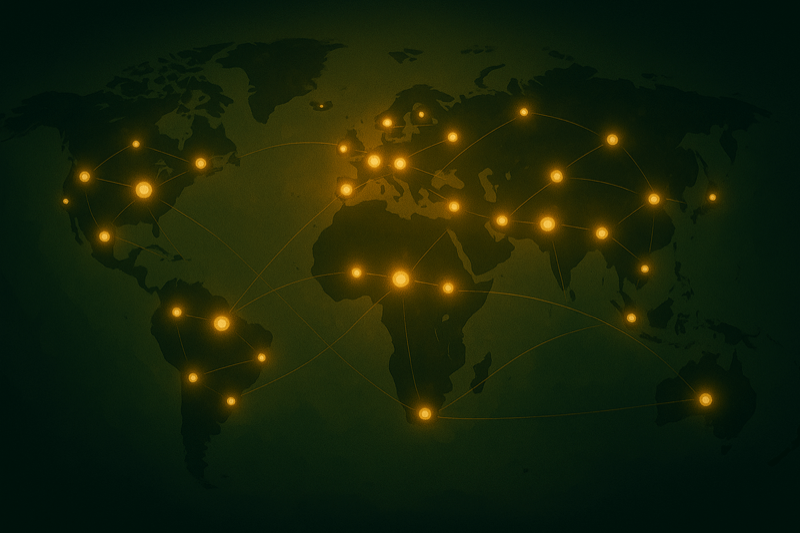
Khi mã nguồn nằm trên chuỗi:
- Các nhà phát hành không thể thu hồi giấy phép của bạn
- Các studio không thể xóa tiến trình của bạn
- Các tập đoàn không thể đánh cắp giá trị của bạn
Bạn lấy lại những gì đáng lẽ luôn thuộc về bạn.
Mọi cuộc cách mạng đều bắt đầu bằng một sự nhận ra: "Mọi chuyện không nhất thiết phải như thế này."
Tuyên bố độc lập
Chúng ta đang tuyên bố độc lập khỏi chế độ phong kiến kỹ thuật số.
Khi bạn sở hữu thế giới của mình, giá trị chảy qua bạn, chứ không phải từ bạn.
Đó không chỉ là trải nghiệm chơi game tốt hơn. Đó là sự tự do.
Tìm hiểu thêm về hệ sinh thái chơi game trên chuỗi và mã nguồn mở của Ethereum


