デジタル封建主義からの独立宣言
このストーリーは元々、2026年2月5日に@EthereumのXプロフィールでのゲストスレッド (新しいタブで開きます)として公開されたものです。読みやすさのために軽く編集されています。
自分たちの世界におけるゲスト
私たちは、物理的な空間よりもデジタル空間で多くの時間を過ごしています。しかし、その空間において私たちはゲストであり、所有者ではありません。
私たちは、自分ではコントロールできないアカウント上にアイデンティティを構築しています。私たちが生み出した価値は、一部のデジタル地主へと流れていきます。
私たちには、それを取り戻すためのツールがあります。
企業があなたのアイデンティティ、進捗、そして思い出を所有しているのです。
デジタル封建主義:あなたがコンテンツを作成し、コミュニティを構築し、データを生成します。しかし、彼らがプラットフォームを所有し、ルールを設定し、利益を独占するのです。
彼らの規約が変われば、あなたの作品は消え去ります。
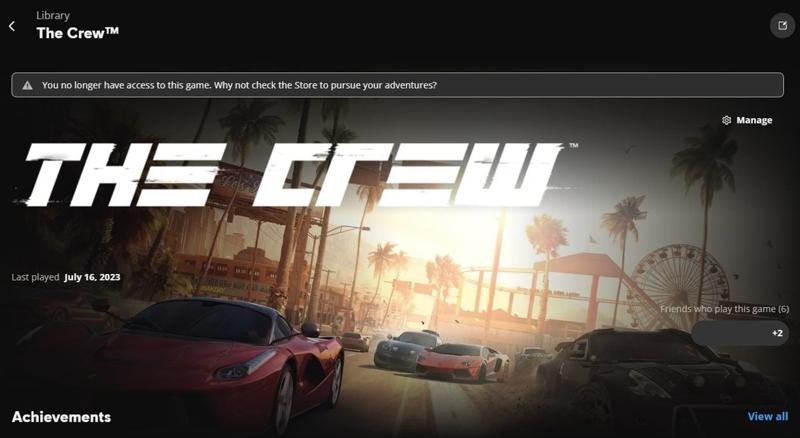
デジタル封建主義がゲームほど顕著に表れている場所はありません。
ゲームパブリッシャーのUbisoftが「The Crew」のサービスを終了した際、彼らはすべての購入者の60ドルのライセンスも取り消しました。
プレイヤーたちがもううんざりしているからこそ、「Stop Killing Games(ゲームを殺すな)」運動 (新しいタブで開きます)が存在するのです。
これは、イーサリアムの伝説的な誕生秘話の一部でもあります。
Blizzardがヴィタリック・ブテリン(イーサリアムの共同創設者)のWorld of Warcraftのキャラクターを弱体化(ナーフ)したとき、彼はその危険性に気づきました。中央集権的な管理とは、自分が築き上げたすべてが気まぐれで破壊される可能性があることを意味するのです。
ゲーム自体が存続している場合でも、あなたが築き上げたすべては危険にさらされています。
Counter-Strikeのプレイヤーたちは、60億ドル規模のデジタル武器スキンの経済圏を作り上げました。それは何年にもわたる対戦、取引、そして献身の賜物です。
しかし、Valveは一夜にして取引ルールを変更しました。その結果、価値の半分が蒸発してしまったのです。
あなたの歴史が、彼らの気まぐれに左右されるのです。
「Star Wars Galaxies」のサービスが終了したとき、何千人ものプレイヤーがログインし、14年間にわたるコミュニティ、人間関係、そして物語が死にゆくのを見届けました。
彼らは花火を打ち上げ、別れを告げました。それは、彼らが築き上げ、愛したにもかかわらず、決して所有することのなかった世界のお葬式でした。
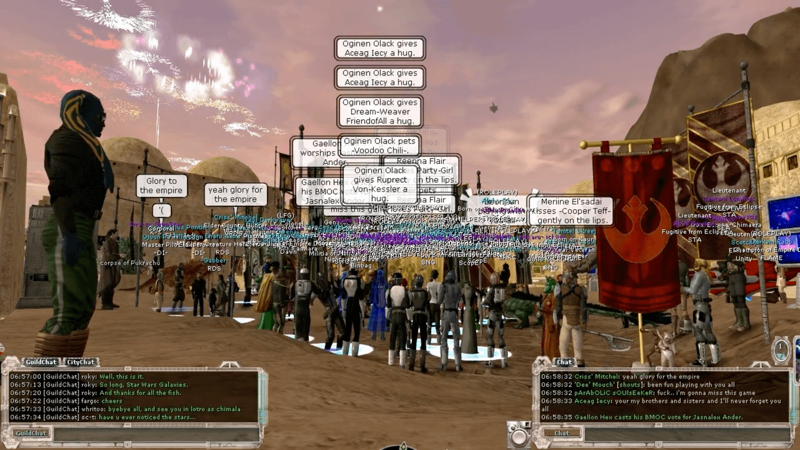
プレイヤーが自分の世界をコントロールするとどうなるか
では、プレイヤーが自分のゲームの世界をコントロールできるようになると、何が起こるのでしょうか?
それはデジタル封建主義の終わりであり、新たな社会契約の始まりです。
デジタルの権利宣言なのです。
オンチェーンゲームの精神は、オープンソースの精神と同じです。
Unityがランタイム料金の導入でゲーム開発者を裏切ったとき、Godot Engine (新しいタブで開きます)が代替案を提供しました。
現在、Dojo (新しいタブで開きます)のようなオンチェーンエンジンは、中央集権的なサーバーでゲームを配信する代わりの選択肢をゲームスタジオに提供しています。
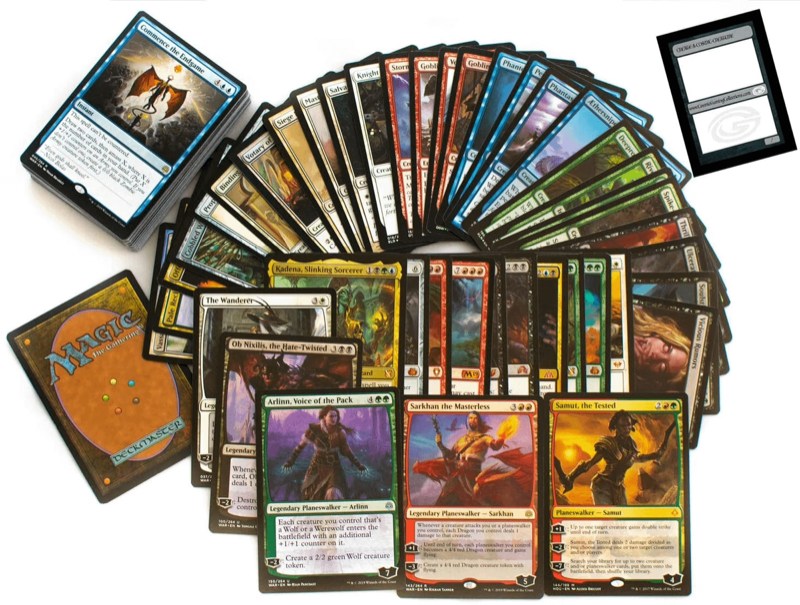
リチャード・ガーフィールドは、Hasbro初の10億ドル規模のブランドである『マジック:ザ・ギャザリング』を生み出しました。
現在、彼は「私たちが公式サポートを終了した後でも、プレイヤーがこれらのゲームをプレイし続けられるように」オンチェーンゲームを開発しています。
それは、ドム・ホフマン (新しいタブで開きます)のLootプロジェクト (新しいタブで開きます)から始まりました。
「誰のものでもないIPを作ったらどうなるだろうか?」と問いかける、8,000個のファンタジー装備のリストです。
- Realms.World (新しいタブで開きます)のようなプレイヤーDAOが管理者となりました。
- Cartridge (新しいタブで開きます)のようなビルダーがそれを現実にしました。
- Dojo (新しいタブで開きます)のようなエンジンが、デフォルトで開かれた世界を作ります。
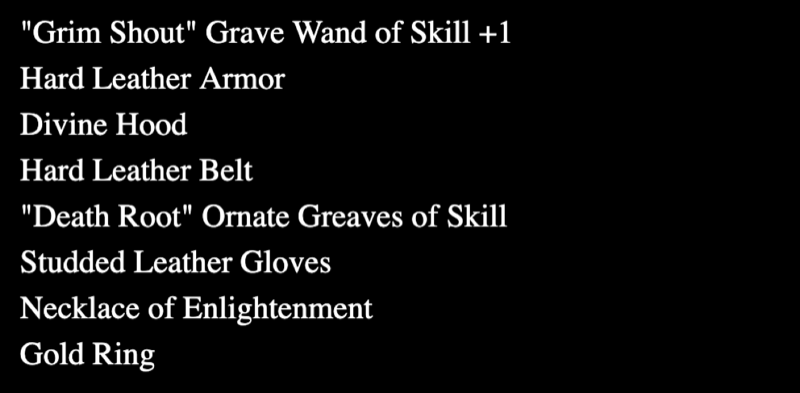
デジタル封建主義から逃れることがどのような感覚か知りたいなら、私の言葉を鵜呑みにしないでください。
実際にLoot Survivor (新しいタブで開きます)をプレイしてみてください。
私が話している未来は?すでに実現しています。
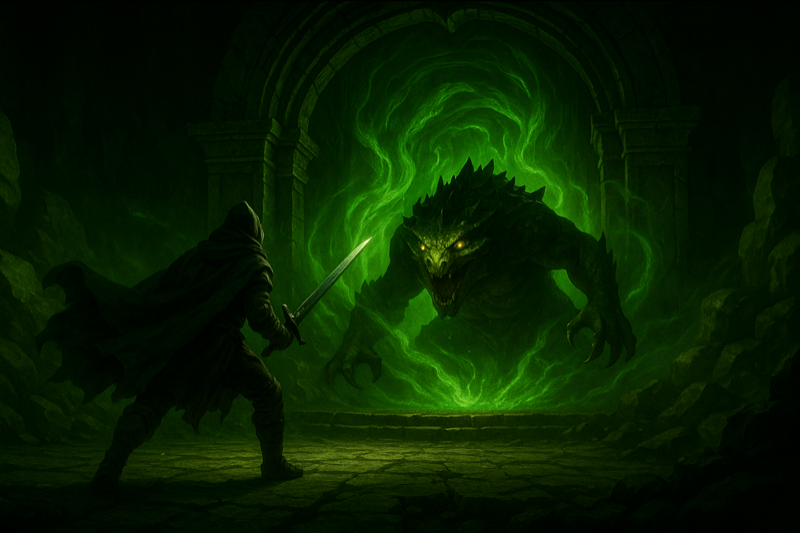
暗号資産の存在を意識させない
「でも、暗号資産は不格好で、遅くて、使いにくい。」
何年もの間、それは私たちの業界における「1マイル4分の壁」であり、分散化の代償として誰もが受け入れていた限界でした。
プレイヤーは、ウォレット、ガス代、シードフレーズ、そして絶え間ない署名をやりくりしなければなりませんでした。
摩擦こそが、入場料だったのです。
Cartridge Controller (新しいタブで開きます)のようなツールが、その体験全体を変えます。
- ソーシャルログイン。
- 1回の署名で済むセッション。
- プレイヤーの目には触れないガス代。
暗号資産が裏方に回ることで、ゲームは純粋に楽しいものになります。
奪われることのない世界
賞金プールがスマート・コントラクトにロックされている対戦ゲームを想像してみてください。勝者は正真正銘の勝者です。
開発者がシーズン途中でルールを変更したり、支払いを拒否したりすることはできません。
機能としての「Code is Law(コードは法である)」です。
DOTAは、Warcraft III内のコミュニティが作成したMODでした。それは10億ドル規模のジャンル(MOBA)を生み出しました。
オリジナルのWarcraft IIIのクリエイター(Blizzard)は、その価値の恩恵をほとんど受けませんでした。
オンチェーンでは、コミュニティがゲームの上に構築し、世界を拡張し、自分たちの創造物を所有することができます。
アレクサンドリア図書館が燃えたとき、唯一無二の文献が永遠に失われました。人類のあらゆる知識が、脆弱な一つの場所に集まっていたからです。
ゲームサーバーが閉鎖されると、独自のゲーム世界や文化が煙となって消え去ります。
火災は避けられないものでした。しかし、中央集権化は選択の結果だったのです。
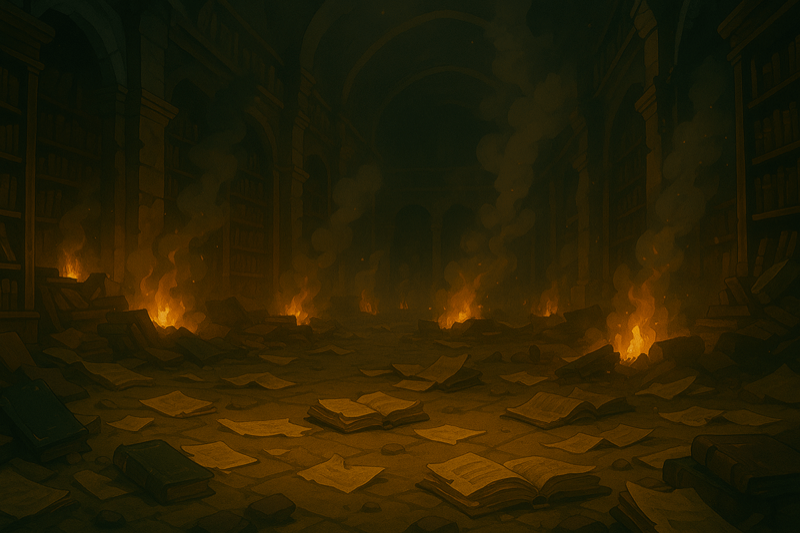
オンチェーンゲームを構築することは、あなたの世界のために、より安全なヴォールトを構築することではありません。
それは、世界に印刷機を与えることです。つまり、同時にあらゆる場所に存在できる力を与えるのです。
コピーされ、拡張され、再構築され、保存され、一つの扉の奥に閉じ込められることはありません。
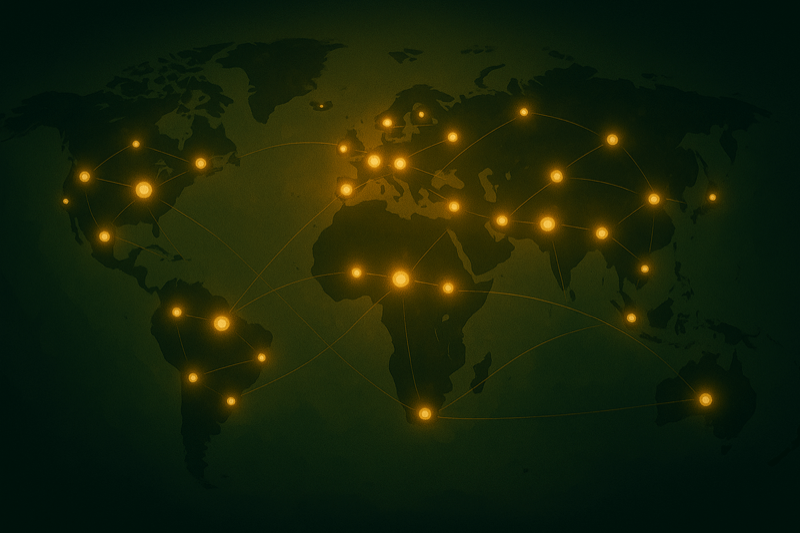
コードがオンチェーンにある場合:
- パブリッシャーはあなたのライセンスを取り消すことはできません
- スタジオはあなたの進捗を削除することはできません
- 企業はあなたの価値を盗むことはできません
あなたは、本来自分のものであるべきだったものを取り戻すのです。
すべての革命は、「こんな風である必要はない」という気づきから始まります。
独立宣言
私たちは、デジタル封建主義からの独立を宣言します。
あなたが自分の世界を所有するとき、価値はあなたから奪われるのではなく、あなたを通じて流れるようになります。
それは単なる「より良いゲーム」ではありません。自由なのです。
イーサリアムのオープンソースおよびオンチェーンゲームエコシステムについてさらに学ぶ


